
The History of Clinical Trials

Medical research is changing fast, and Homestead is part of that evolution. As we move into 2026, clinical research isn’t just about testing treatments — it’s about redefining how medicine is developed, delivered, and personalized. With the growing focus on local participation and accessible healthcare innovation, Homestead Associates is leading the way with opportunities that directly impact our community.
This blog explores what the future of clinical trials looks like, why 2026 will be a pivotal year, and how residents of Homestead can actively participate in medical breakthroughs.
Migraines: Symptoms, Treatment, and How to Participate in Clinical Trials

Migraines are much more than just a headache. They are a chronic neurological disorder that significantly impacts the quality of life of millions of people worldwide. While they may occur occasionally, many people live with frequent and disabling episodes. At Homestead Associates in Research, located in Homestead, Florida, we are dedicated to advancing knowledge of this condition through migraine clinical trials, offering patients the opportunity to access new therapies and treatments.
Alzheimer’s Disease: Symptoms, Causes, Treatment, and Clinical Trials in Homestead

Alzheimer’s Disease is a progressive neurodegenerative condition that affects millions of people worldwide. At Homestead Associates in Research, we are committed to conducting Alzheimer’s clinical trials aimed at finding new treatments to improve patient outcomes and quality of life.
Liver Cirrhosis: Symptoms, Diagnosis and Clinical Trials in Homestead

Liver cirrhosis is a chronic liver condition that causes progressive damage to liver tissue, impairing its function. At Homestead Associates in Research, we offer access to clinical trials for liver cirrhosis that may provide new treatment alternatives for patients living with this disease.
COPD (Chronic Obstructive Pulmonary Disease) – Clinical Trials in Homestead

COPD (Chronic Obstructive Pulmonary Disease) is a serious and progressive lung condition that makes it difficult to breathe by limiting the airflow to the lungs. At Homestead Associates in Research, located in Homestead, Florida, we provide clear and reliable information about this disease, as well as the opportunity to participate in specialized clinical trials. These studies aim to improve current treatments and, in many cases, offer new therapeutic alternatives for those living with COPD. This blog offers essential details about its symptoms, diagnosis, treatment, risk factors, and how you can contribute to advancing medicine through clinical research.
Myasthenia Gravis: Symptoms, Treatment, and Clinical Trials at Homestead Associates

Myasthenia Gravis is a chronic neuromuscular disease that causes weakness in voluntary muscles. It affects the communication between nerves and muscles, making daily tasks like chewing, speaking, or even breathing difficult. At Homestead Associates in Research, we conduct clinical trials for Myasthenia Gravis, providing patients with new treatment alternatives under expert medical supervision.
Chronic inflammatory demyelinating polyneuropathy: causes, symptoms, and treatment options

Learn the symptoms, causes, and treatment of CIDP and how to join clinical trials at Homestead Associates in Research.
Parkinson’s Disease: Symptoms, Treatments, and How to Participate in Clinical Trials

Parkinson’s disease is a chronic, progressive neurodegenerative disorder that primarily affects movement, but can also lead to a range of non-motor symptoms. It is caused by the gradual loss of dopamine-producing nerve cells in the brain.
Multiple Sclerosis (MS)
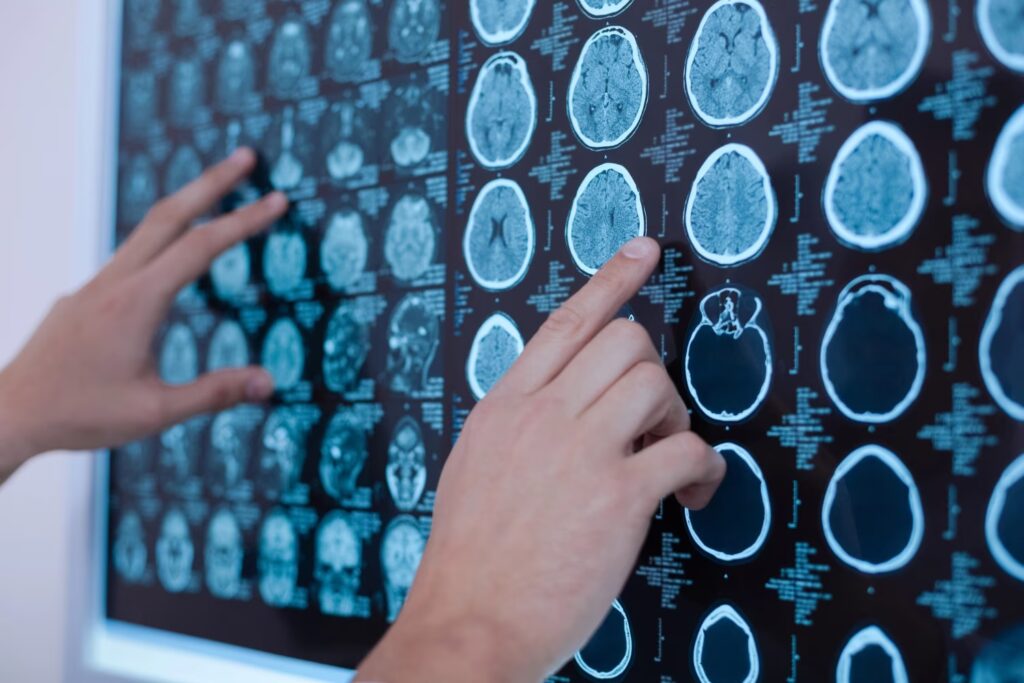
Multiple sclerosis (MS) is a chronic disease of the central nervous system that affects the brain and spinal cord. It is an autoimmune disorder in which the immune system attacks the myelin—the protective covering of nerve fibers—disrupting communication between the brain and the rest of the body.
Agitation in Dementia: Causes, Symptoms and How to Manage It

Agitation in dementia is a common condition affecting many older adults, especially those diagnosed with Alzheimer’s. It can manifest as irritability,